Ghost Festival
Introduction
The Ghost Festival, known as Zhongyuan Festival in Mandarin, is observed on the 15th day of the seventh month of the Chinese calendar. This festival is deeply intertwined with ancient Chinese beliefs and Buddhist traditions. It is characterized by the belief that on this day, the gates of the underworld open, allowing spirits to roam the earth. This cultural event is celebrated with various activities aimed at honoring and appeasing these spirits.
The festival is celebrated in various forms across China and other countries with significant Chinese cultural influence, such as Singapore, Malaysia, Thailand and Japan. It is also known as the Hungry Ghost Festival in some regions. The traditions and customs associated with the Ghost Festival reflect a blend of Buddhist, Taoist, and Confucian practices, emphasizing filial piety, community, and spiritual harmony.
Customs and Practices
The Ghost Festival is marked by a variety of customs and practices that reflect its spiritual and cultural significance. These rituals are designed to honor ancestors, appease wandering spirits, and ensure harmony between the living and the dead. Some of the most prominent customs include floating water lanterns, burning paper money, and holding ceremonies to honor ancestors.
Floating Water Lanterns
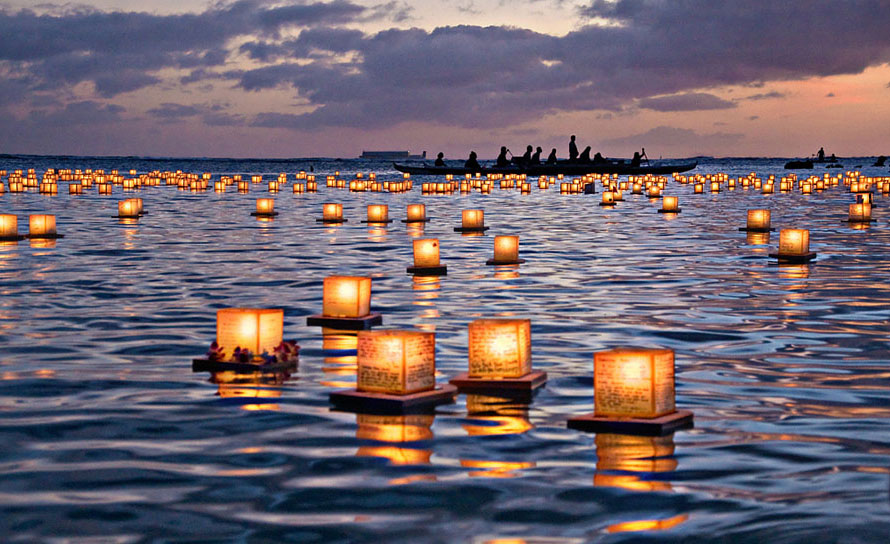
One of the most prominent customs during the Zhongyuan Festival is the floating of water lanterns, also known as lotus lanterns. These are crafted by pasting paper into lotus shapes and placing a candle inside. On the night of the festival, these lanterns are set adrift on rivers or lakes. The act symbolizes guiding the lost souls of ancestors to the afterlife and celebrating their presence among the living.
Burning Paper Money
Another important tradition is the burning of paper money, also known as "ghost money". This is done to provide the spirits with currency they can use in the afterlife. It is believed that ancestors are released from the underworld for the festival, and burning paper money ensures they have the means to thrive in their temporary return to the living world.
Honoring Ancestors
During the festival, people engage in ceremonies to welcome their ancestors at the beginning of the month and send them off at its conclusion. These activities include offering food, performing rituals and setting up altars with incense to show respect and gratitude towards the departed.
Modern Adaptations
In modern times, the Ghost Festival continues to be celebrated with religious fervor in China and among Chinese communities worldwide. However, it has also seen adaptations, with cultural events and performances added to the traditions. Despite these changes, the essence of the festival - honoring and remembering ancestors - remains unchanged.








